Borehole camera and lighting carriage
Gave a coal mine’s borehole camera the light it needed to survey the mine before re-entry. The footage showed the mine in worse condition than expected.
- For
- North Goonyella Coal Mine
- Context
- Volunteer project for Peabody, first year of university
- My role
- Designer and builder
- Year
- 2018
- In service
- First used 10 December 2018
- Tools
- AutoCAD, CNC router, Plywood, Magnetic LED lighting cubes
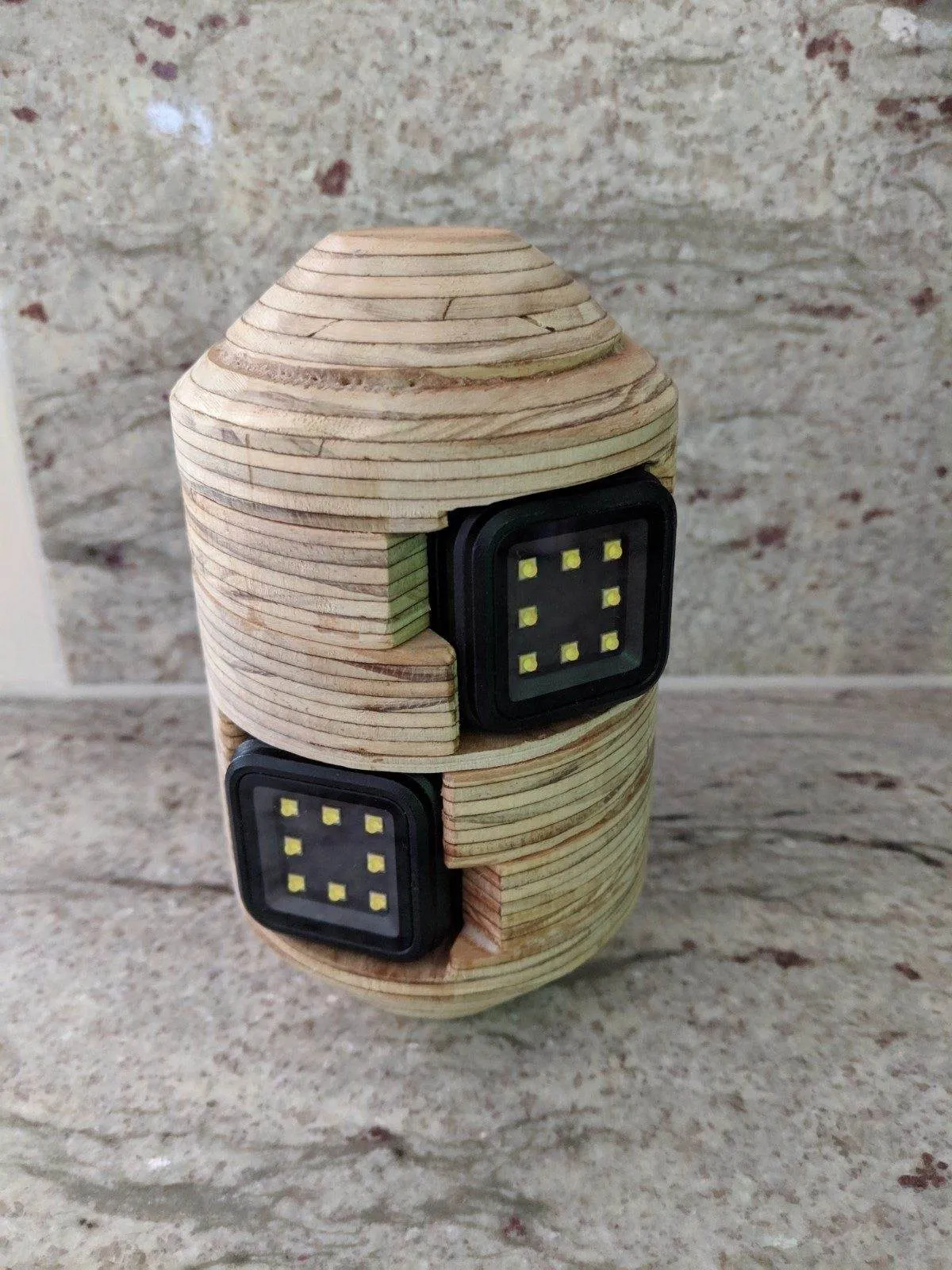
Problem
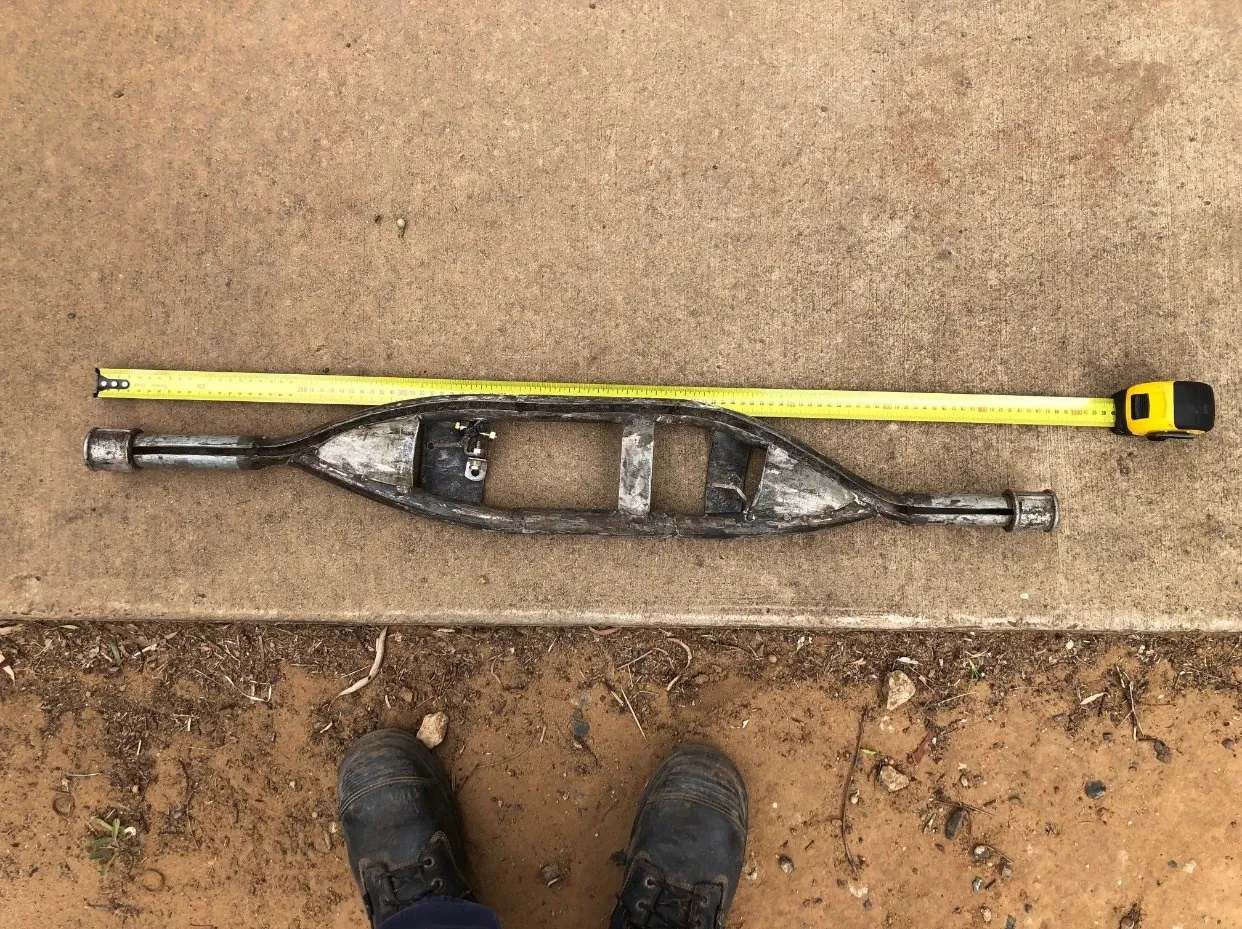
Peabody’s North Goonyella team was lowering a camera down a borehole to see the condition of the mine underground before re-entry, but the camera needed far more light. My father worked at the mine at the time and heard about the problem from the engineer handling it. He suggested I might be able to help, and as a first-year mechanical engineering student I took it on.
Design
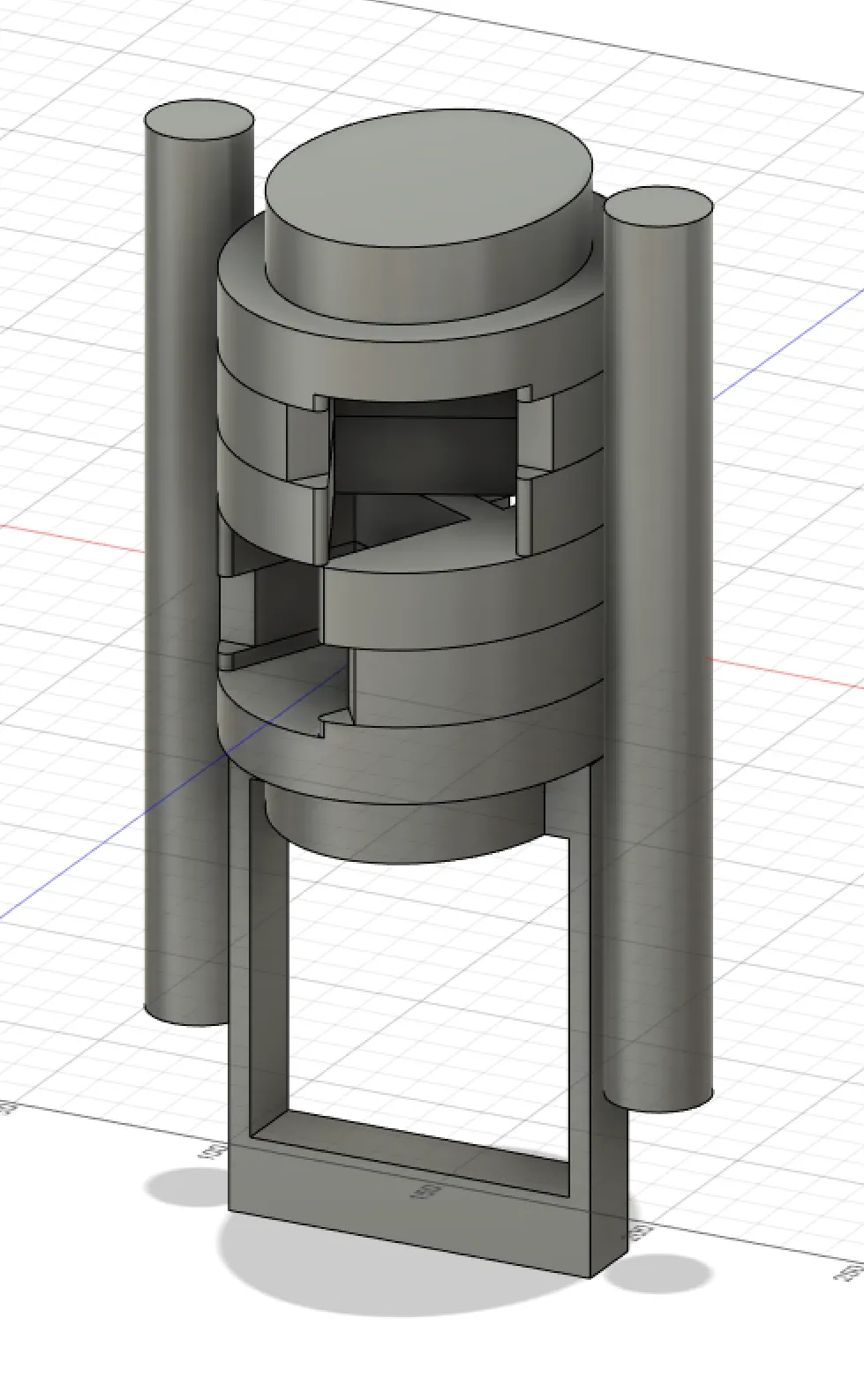
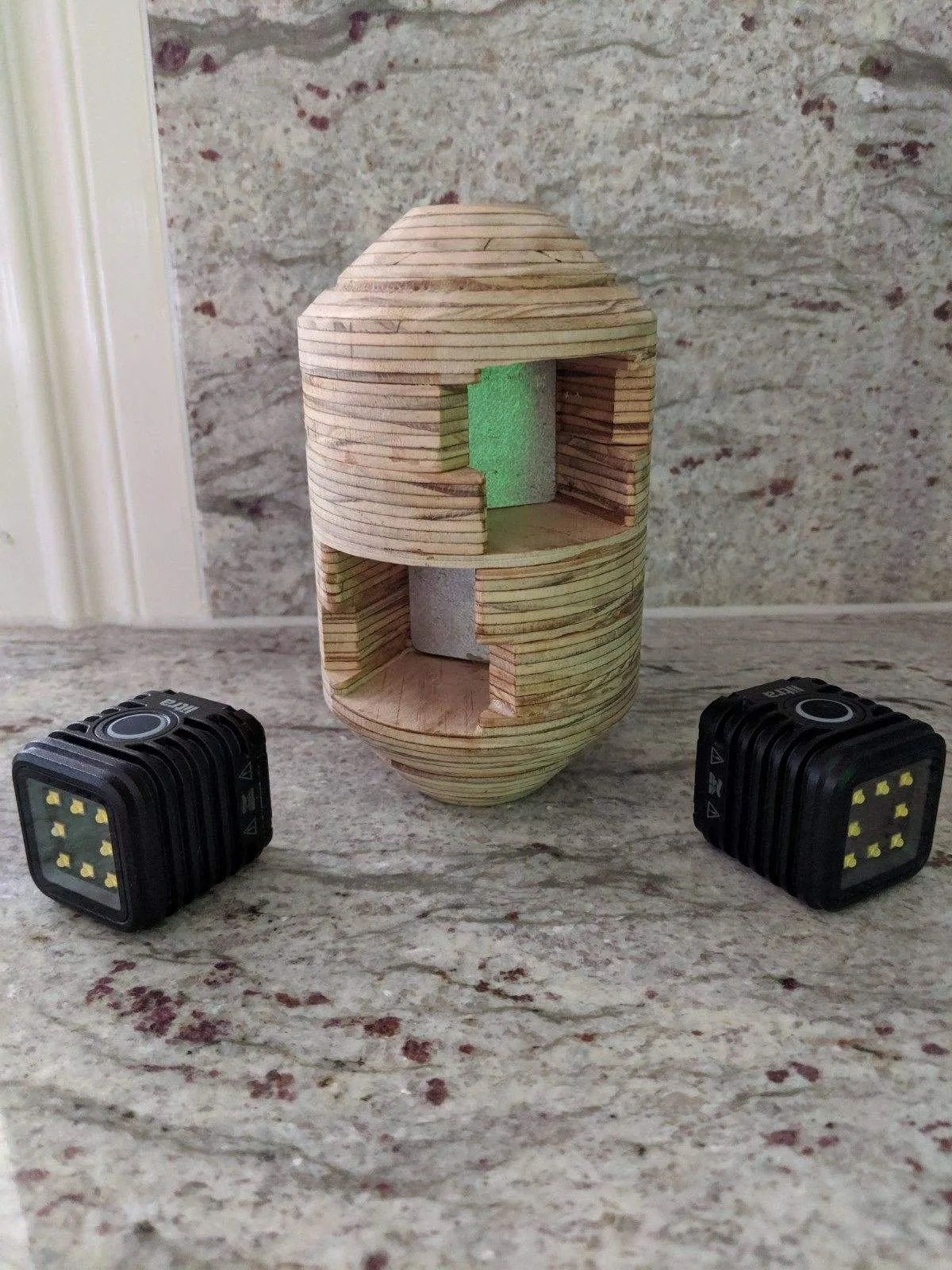
The rig was never available to inspect in person, so the brief came from photos, measurements and conversations with the mine’s IT team, who supplied the dimensions of the camera and lights. A mock-up was built from my own components, then the carriage was modelled in 3D in AutoCAD and cut from plywood on a CNC router. The segments were pinned and glued, with metal inserts set into the lighting pockets so the magnetic bases of the LED cubes snap on.
Testing and iteration
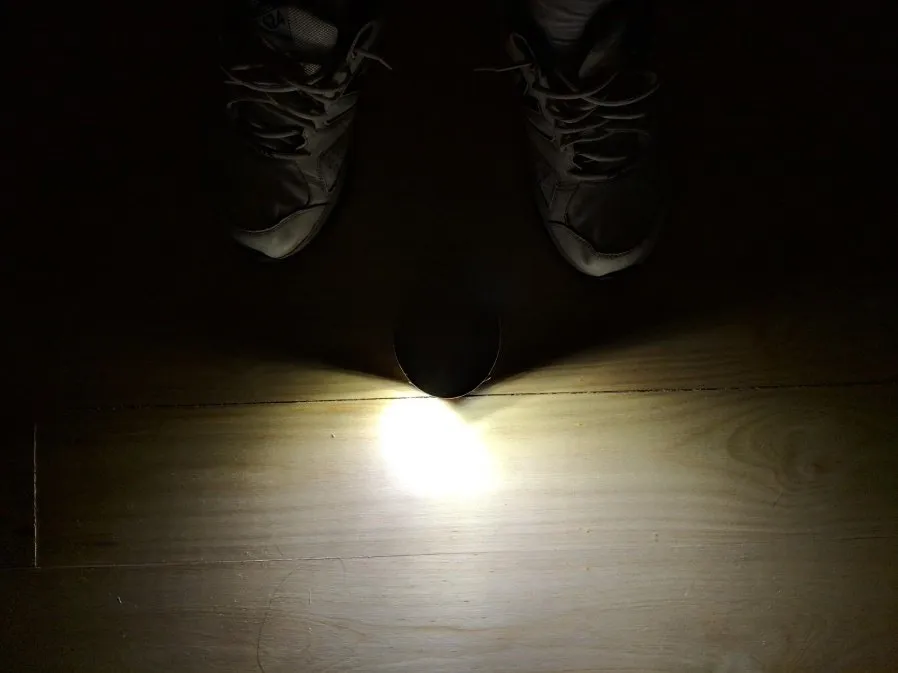
The lighting was tested in a dark room, and the carriage went through two prototype iterations before the final version was sent to site.
Outcome
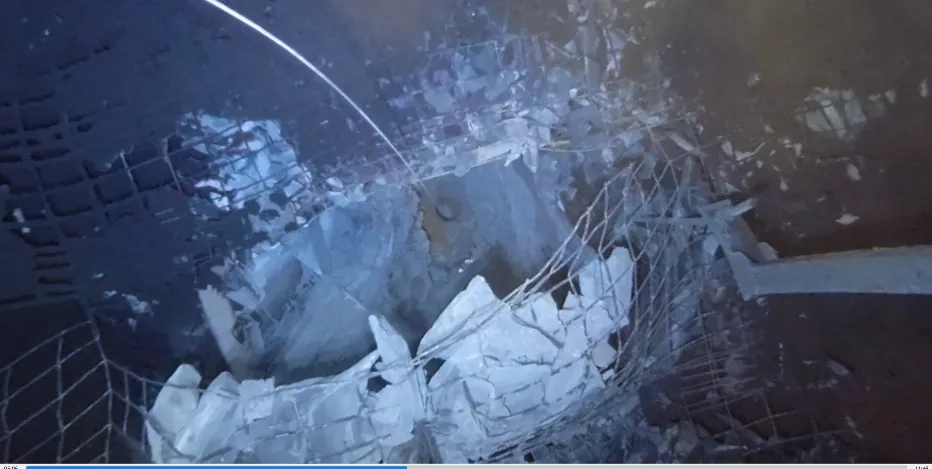
The carriage was first used on 10 December 2018. The mine’s general manager wrote that the onsite team got far more light from the setup. The footage showed the mine was in much worse condition than had been thought, and it was used to build a picture of the underground workings to prepare for re-entry.
“Taking into account he had not physically seen our borehole camera rig, was working off pictures, measurements and conversations with me, the innovative design he came up with was remarkable.”
— Senior Network Engineer, North Goonyella Coal Mine (Peabody)